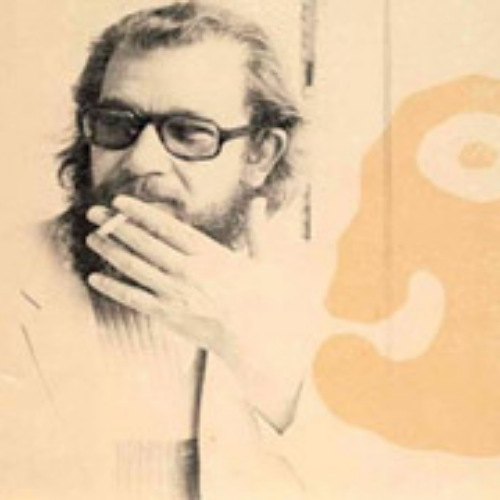
Wopko Jensma born in Middelburg, Cape Town, on July 26, 1939, was a prominent white South African artist and poet who became a vocal critic of the apartheid regime. Educated at the University of Potchefstroom and the University of Pretoria, where he majored in sculpture, Jensma's creative endeavors were deeply intertwined with his political convictions. His work, which includes the poignant poem Once and Now, openly addressed the systemic racism experienced by Black South Africans, particularly the exploitation of young domestic workers.
Jensma's artistic expression was not confined to a single medium; he was also an editor for Gerwe Magazine and a translator. His extensive travels and work experience in Swaziland, Botswana, and Mozambique, including a teaching position at the Serowe Art School in Botswana, broadened his perspective and influenced his work. As a privileged white artist, he used his platform to give voice to the oppressed, and his poetry is often interpreted as a reflection of his personal struggles with the South African government's discriminatory policies. In a tragic and enigmatic end to a life of creative resistance, Wopko Jensma disappeared without a trace after August 1993.
×
Wopko Jensma born in Middelburg, Cape Town, on July 26, 1939, was a prominent white South African artist and poet who became a vocal critic of the apartheid regime. Educated at the University of Potchefstroom and the University of Pretoria, where he majored in sculpture, Jensma's creative endeavors were deeply intertwined with his political convictions. His work, which includes the poignant poem Once and Now, openly addressed the systemic racism experienced by Black South Africans, particularly the exploitation of young domestic workers.
Jensma's artistic expression was not confined to a single medium; he was also an editor for Gerwe Magazine and a translator. His extensive travels and work experience in Swaziland, Botswana, and Mozambique, including a teaching position at the Serowe Art School in Botswana, broadened his perspective and influenced his work. As a privileged white artist, he used his platform to give voice to the oppressed, and his poetry is often interpreted as a reflection of his personal struggles with the South African government's discriminatory policies. In a tragic and enigmatic end to a life of creative resistance, Wopko Jensma disappeared without a trace after August 1993.